
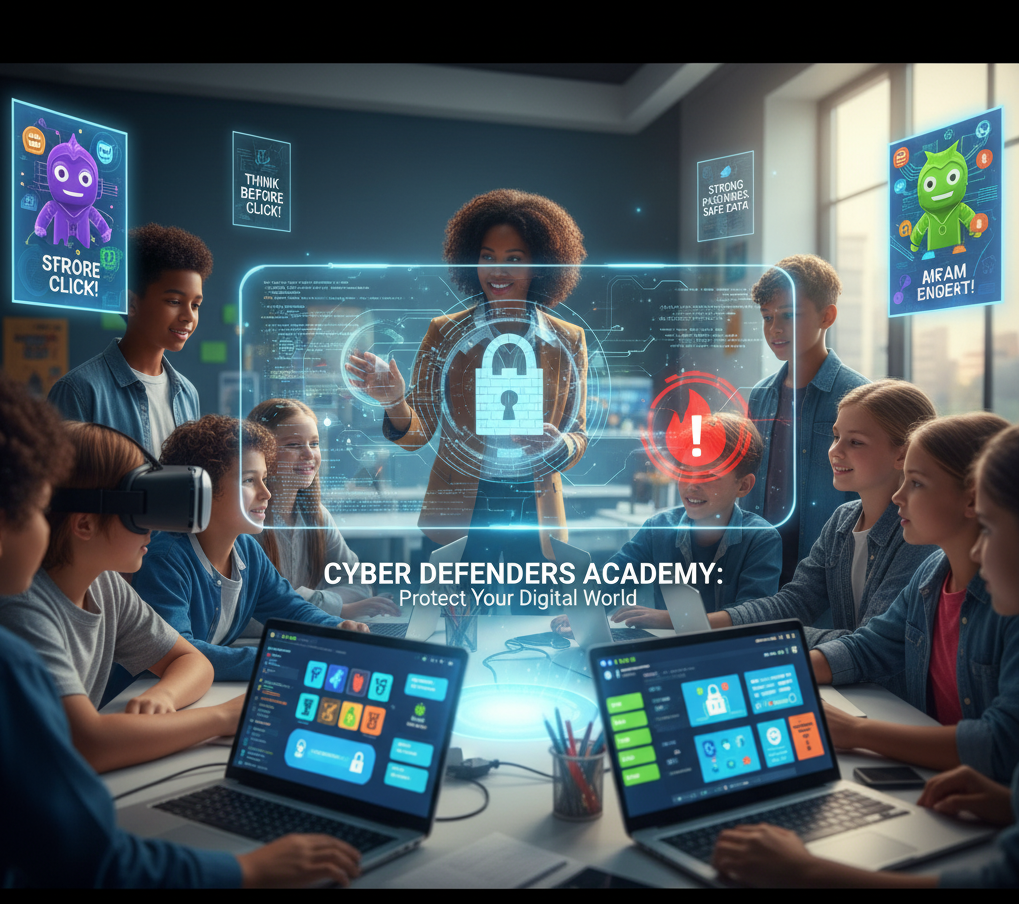
Building Digital Defenders: Why Cybersecurity Education is Crucial for Every Student
In an increasingly interconnected world, digital literacy is no longer just about knowing how to use a computer; it’s about understanding how to navigate the digital landscape safely and responsibly. For educational programs, this means integrating robust cybersecurity education, not as an elective, but as a fundamental pillar of learning for every student, from elementary school to university.
The threats are real and constantly evolving. Phishing scams, data breaches, cyberbullying, misinformation – these are not just adult problems, but challenges that students encounter daily. Equipping them with the knowledge and skills to identify, prevent, and respond to these threats is paramount to protecting their personal information, fostering responsible online behavior, and preparing them for a future where digital interactions are central to almost every aspect of life.
Why Cybersecurity Education is Indispensable:
-
Protecting Personal Data: Students are generating digital footprints from a young age. Teaching them about privacy settings, strong passwords, and the dangers of sharing too much information online is crucial for safeguarding their identity and personal data.
-
Combating Cyberbullying and Online Harassment: Cybersecurity education extends beyond technical defenses. It empowers students to understand the impact of their online actions, recognize and report cyberbullying, and build empathy for others in digital spaces.
-
Recognizing and Avoiding Scams: From deceptive links to fake profiles, students need to develop a critical eye for potential online threats. Education can help them identify phishing attempts, malware, and other common scams designed to trick users.
-
Promoting Digital Citizenship and Ethics: Learning about cybersecurity fosters a sense of responsibility. Students learn about intellectual property, the ethical use of technology, and the consequences of malicious online behavior. This lays the groundwork for becoming responsible digital citizens.
-
Preparing for Future Careers: The demand for cybersecurity professionals is soaring across all industries. Introducing students to cybersecurity concepts early can spark interest in a vital and lucrative career path, addressing a critical workforce shortage.
-
Securing Educational Institutions: Schools and universities themselves are prime targets for cyberattacks. Educating students on best practices, such as secure network usage and data handling, contributes to the overall cybersecurity posture of the institution.
-
Battling Misinformation: In an age of widespread misinformation, cybersecurity education helps students develop critical thinking skills to evaluate sources, distinguish facts from fiction, and understand the impact of fake news.
What Should a Cybersecurity Education Program Include?
-
Basics of Internet Safety: Understanding strong passwords, privacy settings, and secure Wi-Fi networks.
-
Recognizing Threats: Identifying phishing, malware, ransomware, and social engineering tactics.
-
Digital Footprint and Privacy: The concept of online identity, managing personal information, and data protection.
-
Cyber Ethics and Law: Understanding copyright, intellectual property, and legal consequences of cybercrimes.
-
Critical Thinking and Media Literacy: Evaluating online information and identifying misinformation.
-
Reporting Mechanisms: Knowing who to contact and how to report online threats or harassment.
Integrating cybersecurity education into curricula is not just about teaching technology; it’s about empowering the next generation to be informed, responsible, and resilient in a digitally driven world. It’s an investment in their future, and the future of our shared digital landscape
Welcome to WordPress. This is your first post. Edit or delete it, then start writing!